



When Oklahoma City’s Heat Won’t Quit: How to Keep Your AC Running Strong Through Late Summer
Late August in Oklahoma City has a way of testing every air conditioner in the metro. This month alone, forecast models have tracked stretches of highs well past 100°F across the OKC area — and long-range planning signals point to more triple-digit stretches possible into early September. Cooling systems that have already worked hard all summer get pushed past their breaking point in weather like this, and when a unit fails during a heat wave, it rarely gives much warning.
If your AC has been running nonstop, cycling oddly, or blowing air that isn’t quite as cold as it used to be, now is the time to pay attention — not after the compressor gives out at 9 p.m. on a Saturday.
Air Comfort Solutions has served Oklahoma City and the surrounding communities since 2004, and stretches of heat like this are exactly why our phones stay busy in late summer. Here’s what’s actually happening to your system during extended hot spells, the warning signs worth acting on, and what you can do right now to avoid an emergency breakdown.
Why Heat Waves Are Hardest on Your AC System
A single hot day is an inconvenience. A stretch of consecutive high-heat days is a stress test. When outdoor temperatures stay elevated for days in a row, your air conditioner doesn’t get the overnight break it normally relies on to cool down and reset. The compressor — the hardest-working component in the whole system — runs longer cycles, more often, with less recovery time in between.
That extended runtime accelerates wear on parts that were already aging: capacitors, contactors, refrigerant lines, and condenser coils all take on more strain. A system that’s been “fine” for years can suddenly show its age during a prolonged heat stretch, simply because it’s being asked to do more work with less rest.
It’s worth noting that long-range heat forecasts are planning signals, not guarantees — conditions can shift. But the practical takeaway doesn’t change: the hotter and longer the stretch, the harder your system works, and the more likely small issues turn into full breakdowns.
Warning Signs Your System Is Struggling
Most AC failures don’t happen out of nowhere. They’re preceded by signals that are easy to dismiss when you’re just trying to stay cool. Watch for:
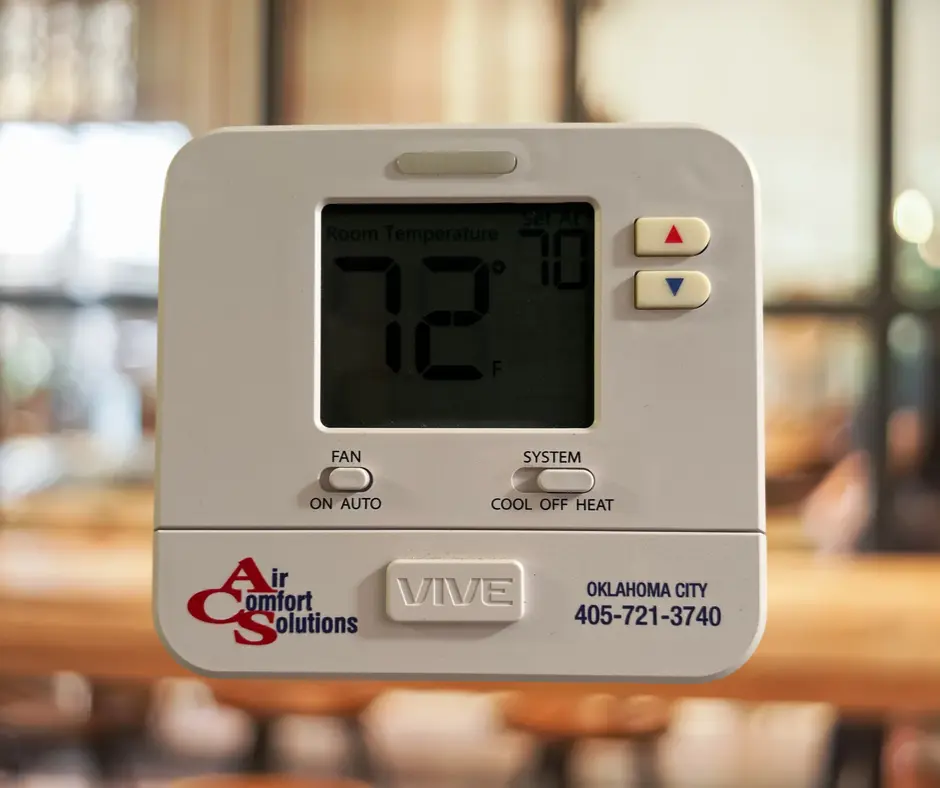
Longer run times with less cooling. If your thermostat says 72 but the house feels more like 78, your system may be losing efficiency — often due to low refrigerant, a dirty coil, or a failing component.
Short-cycling. An AC that turns on and off frequently, rather than running a full cool-down cycle, is working inefficiently and putting extra stress on the compressor.
Warm air from vents. This can point to a refrigerant leak, a failing compressor, or a frozen evaporator coil that’s just started to thaw.
Unusual noises. Grinding, squealing, or banging sounds are your system telling you a part is wearing out — ignoring it during a heat wave is how a small repair turns into a full replacement.
Rising energy bills with no change in usage. A system working harder to deliver less cooling shows up on your utility bill before it shows up as a full breakdown.
Water pooling near the indoor unit. This usually means a clogged condensate line — a simple fix if caught early, a water-damage problem if ignored.
If any of these sound familiar, don’t wait for the system to fail completely. Book an AC repair diagnostic now, while you still have a functioning system to work with, rather than after it quits during the hottest part of the day.
What You Can Do Right Now
You don’t need to be an HVAC technician to buy yourself some breathing room during a heat wave. A few practical steps can reduce strain on your system while you wait for a technician visit:
- Change your air filter. A clogged filter restricts airflow and forces your system to work harder for the same result. This is the single easiest thing a homeowner can do, and it takes five minutes.
- Clear debris from your outdoor unit. Leaves, grass clippings, and dirt buildup around the condenser restrict airflow and reduce efficiency. Keep at least two feet of clearance on all sides.
- Close blinds and curtains during peak sun hours. Reducing solar heat gain through windows takes some of the load off your system without changing the thermostat.
- Avoid drastic thermostat swings. Cranking the AC down several degrees doesn’t cool the house faster — it just makes the system run longer than necessary. Set it to a comfortable, consistent temperature and let it work steadily.
- Run ceiling fans counterclockwise. Fans don’t lower the temperature, but the wind-chill effect lets most households feel comfortable a couple degrees higher on the thermostat, easing the load on the AC.
- Schedule a tune-up before — not during — the next hot stretch. A maintenance visit catches worn capacitors, low refrigerant, and dirty coils before they cause a breakdown.
When to Repair vs. When to Replace
During a stretch of heat like this, a lot of Oklahoma City homeowners face the same question: is it worth fixing, or is it time for a new system? A few factors matter more than the price tag on the repair itself.
Age of the system. Most central air conditioners are built to last 12–15 years with regular maintenance. If your unit is pushing past that mark and needs a costly repair, replacement often makes more financial sense long-term.
Frequency of repairs. One repair in five years is normal wear and tear. Two or three repairs in a single summer is a pattern — and usually a sign the system is on its way out.
Refrigerant type. Older systems using R-22 refrigerant are increasingly expensive to service since the refrigerant itself has been phased down. If your system still runs on R-22, a repair may cost more than it should relative to the age of the unit.
Efficiency and comfort. Newer systems are significantly more efficient than units from a decade or more ago, which means lower utility bills during exactly the kind of extended heat stretches that strain older equipment.
If replacement makes sense for your home, Air Comfort Solutions currently offers up to $4,000 off select HVAC systems, along with 0% APR financing for up to 72 months on approved credit and a 10-year parts and labor warranty — making it easier to upgrade before the next heat wave rather than during one.
Don’t Forget Indoor Air Quality
Extended heat waves often mean closed windows and doors for days at a time, which means your indoor air quality depends entirely on your HVAC system. If allergens, dust, or humidity have been building up in your home, this is also a good time to ask about air filtration and purification options alongside your cooling service — particularly if anyone in the household has allergies or respiratory sensitivities.
It’s also a good moment to think ahead. Once this heat breaks, cooler weather isn’t far behind — and a system that’s been run hard all summer benefits from a heating check before it’s asked to switch jobs. Ask about ACS’s Maintenance Membership to cover both sides of the season without scheduling two separate visits.
Serving Oklahoma City and the Surrounding Communities
Air Comfort Solutions has been keeping homes comfortable across the OKC metro since 2004, including Edmond, Norman, Moore, Yukon, Mustang, Piedmont, Choctaw, Newcastle, Shawnee, Guthrie, Purcell, Blanchard, Noble, and Tinker AFB. Heat waves don’t care about zip codes, and neither do we — our technicians run emergency AC repair calls throughout the entire service area, not just in Oklahoma City proper.
Make the Winning Call Before Your AC Calls It Quits
A heat wave is the worst possible time to discover your system is on its last leg. If your AC has been struggling, making strange noises, or just isn’t keeping up the way it used to, get ahead of it now. Whether you need a same-day repair, a maintenance check, or a conversation about replacement options, our team is ready to help.

What To Expect
Discover The Air Comfort Solutions Cooling, Heating, Plumbing and Electrical Difference
Pricing
With free replacement system estimates and upfront, honest pricing, you’ll never suffer sticker shock when working with our team.
Financing
Our team offers plenty of available financing solutions on approved credit to help families get the services they need today and pay over time.
Trained Technicians
Our NATE-certified HVAC technicians and licensed plumbers will deliver the long-lasting solutions you need.
Commitment to Community
We’ve proudly served the Tulsa and Oklahoma City region for more than 15 years and counting!
Extended Warranties
Enjoy industry-leading HVAC and plumbing system warranties for your added peace of mind.
Satisfaction Guaranteed
Our hassle-free residential HVAC and plumbing services always keep customer satisfaction at the forefront of every service appointment.